
Wall or ceiling seepage, or a burst pipe: who is responsible? How to claim when owners, the OC and management pass the buck
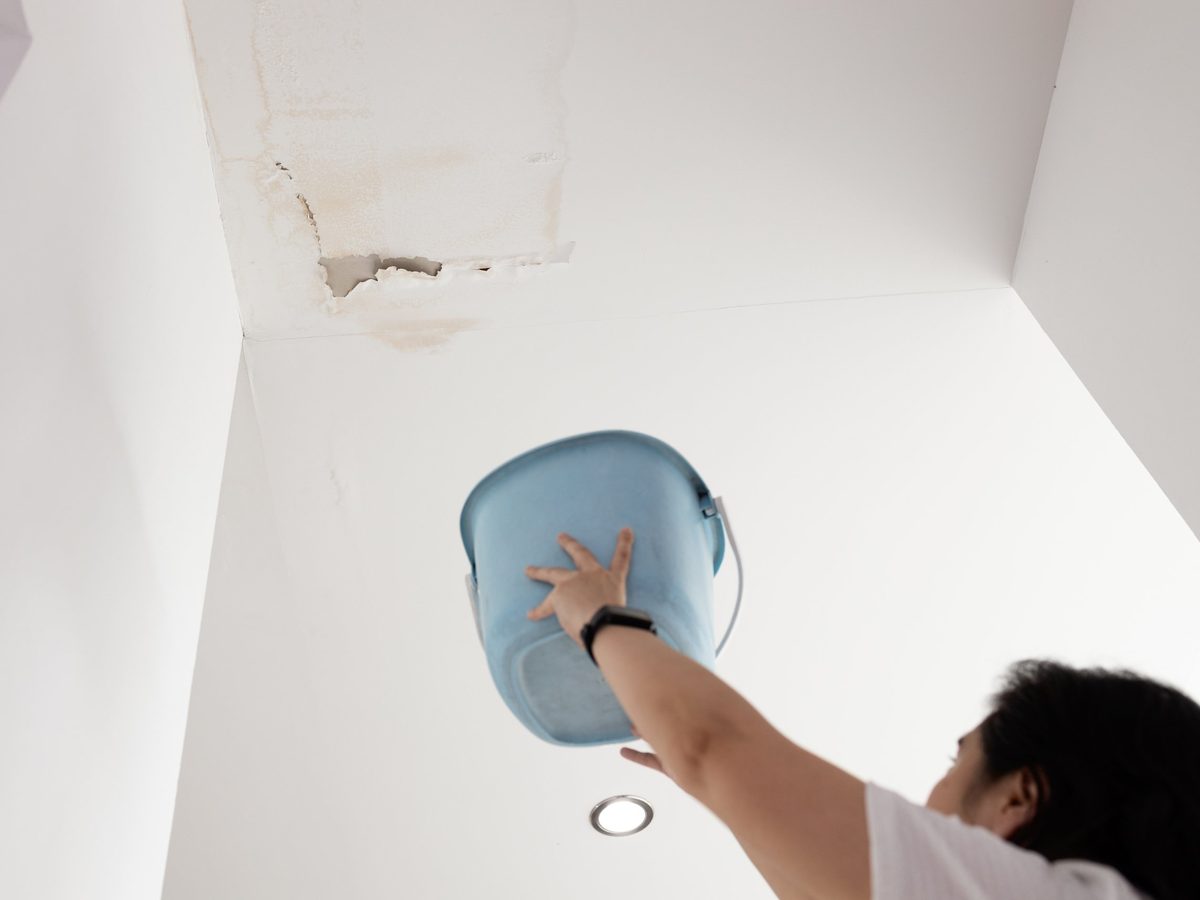
Ceiling dripping, water coming in through the external wall, or a burst common pipe soaking your furniture? Upstairs says it’s not their problem, the management office sends you to the owners’ corporation, and the OC says it needs to check first. This page shows how to work out who is responsible, which department to contact, and how to claim.
Last updated: 2026-10-25
Quick answer: found seepage or a burst pipe? Do these 3 things now
- 1. Photograph, film and note the date: capture the seepage spot, the extent of water marks and damaged items, and keep receipts.
- 2. Notify the management office, OC and upstairs in writing: ask them to find the source and repair it, and keep every reply.
- 3. Contact the right body: if you suspect the flat upstairs, email your Regional Joint Office for water seepage; for external walls, roofs and common pipes, ask the owners’ corporation to follow up.
- Free to use
- Independent, not linked to any OC or management company
- Information from the Buildings Department, FEHD and Government
Who is responsible for a leak? Start with where the water comes from
The Buildings Department says owners and occupants are responsible for properly managing and maintaining their buildings, including resolving water seepage. Who has to deal with it mainly depends on whether the source is a private flat or the building’s common parts.
| Source of the leak | Usually responsible | Who to contact |
|---|---|---|
| Flat upstairs (bathroom, kitchen floor, pipes inside the flat) | Owner / occupant of the flat upstairs | Notify upstairs and the management office first; if that fails, email your Regional Joint Office for water seepage. |
| External wall, roof, podium, around windows (rainwater) | External walls and roofs are generally common parts maintained by the owners’ corporation | Ask the management office and OC in writing to have professionals inspect and repair. |
| Burst common water pipe | Generally common parts maintained by the owners’ corporation | Notify the management office in writing and ask the OC to repair and notify its insurer. |
| Water supply pipes inside your own or a neighbour’s flat | The consumer or owner of that flat | Consumers must maintain the water supply inside their flats; if a leak wastes water, the Water Supplies Department can require repairs. |
The scope of “common parts” depends on your building’s deed of mutual covenant – this is a general guide only.
The Joint Office for water seepage: what it does and doesn’t handle
The Joint Office for Investigation of Water Seepage Complaints (JO), formed by the FEHD and the Buildings Department, investigates seepage that causes a hygiene nuisance under the Public Health and Municipal Services Ordinance. You can email the Regional Joint Office for your district:
| Regional Joint Office | Districts | |
|---|---|---|
| Hong Kong | Eastern, Wan Chai, Central/Western, Southern, Islands | hkrjo@fehd.gov.hk |
| Kowloon | Kowloon City, Sham Shui Po, Mong Kok, Yau Tsim, Wong Tai Sin, Kwun Tong | krjo@fehd.gov.hk |
| New Territories West | Kwai Tsing, Tsuen Wan, Tuen Mun, Yuen Long | ntwrjo@fehd.gov.hk |
| New Territories East | Tai Po, Sha Tin, Sai Kung, North | nterjo@fehd.gov.hk |
In your email, include the flat address, where the seepage is, when it started and the suspected source (for example, the bathroom upstairs), with photos and your phone number.
Will handle
- • Seepage where the moisture content is 35% or above and there is reason to believe the source is the flat upstairs
- • Tests to find the source, and a Nuisance Notice to the responsible owner – non-compliance can lead to prosecution
- • New procedures piloted from 16 July 2026: for simpler cases, a notification letter is issued first, asking the suspected upstairs owner to inspect and repair within 28 calendar days
Generally won’t handle
- • Seepage with moisture content below 35%
- • Rainwater seepage through roofs, podiums, balconies, external walls or windows
- • Seepage from damaged water supply pipes (not normally a hygiene nuisance; may be referred to the Water Supplies Department)
- • Repairing the affected areas of your flat, or compensation
Sources: Buildings Department: notes on water seepage investigation, Government press release (17 June 2026).
External wall leaks and burst common pipes: what must the OC do?
- Maintain the common parts: section 18 of the Building Management Ordinance requires the owners’ corporation to maintain the building’s common parts in good condition.
- External wall seepage: the Buildings Department advises the owners’ corporation to have building professionals inspect external walls and roofs, and registered contractors carry out repairs; if building safety is involved, the Joint Office may refer the case to the Buildings Department.
- Third party risks insurance: since 1 January 2011, owners’ corporations must take out third party risks insurance for the common parts, with a minimum cover of HK$10 million per event. If something goes wrong in the common parts, ask the OC to notify its insurer – whether it pays depends on the policy terms.
- Your own home insurance: check whether your home insurance covers damage from flooding or seepage, and the notification deadline.
Can I withhold management fees to offset my loss?
It isn’t recommended. Management fees and your claim are separate matters. If you stop paying or deduct money yourself, the owners’ corporation or management company may pursue you for the arrears – turning you from claimant into the party being chased. Keep paying your fees and claim from the responsible party in writing.
5 steps when you have seepage or a burst pipe
- 1
Keep evidence
Photograph and film the seepage spot, the extent of water marks and damaged items, and note when it started and each time it got worse; keep damaged items, purchase receipts and repair quotations.
- 2
Notify the people involved in writing
Use the template below to notify the management office and OC, copying the owner of the flat upstairs or the affected flat, and ask them to find the source and repair it. Keep proof of sending and every reply.
- 3
Contact the right body for the source
If you suspect the flat upstairs, email your Regional Joint Office (addresses above); for external walls, roofs or common pipes, ask the OC to have professionals inspect; for leaking water supply pipes inside a flat, you can call a licensed plumber.
- 4
Try mediation
For seepage disputes you can apply to the eBRAM Pro-bono Online Mediation Scheme for Water Seepage Disputes – it’s free, but both parties must agree. For building management disputes, your District Office can also help arrange meetings.
- 5
Claim compensation
If mediation fails, claims of HK$75,000 or less can go to the Small Claims Tribunal, where neither side may be represented by a lawyer (CLIC); the Lands Tribunal can hear disputes under the Building Management Ordinance. Get legal advice before filing.
Written notice template: seepage or burst pipe
Replace the [ ] parts with your details and give it to the management office and OC (get a signed receipt if delivering by hand, or use email), with a copy to the owner of the flat concerned.
Subject: Request to investigate water seepage / burst pipe and arrange repairs ([Building name], [Block], [Floor and flat])

To: [Property management company] Management Office
and the Management Committee, Incorporated Owners of [Building name]
Cc: Owner of [upstairs / affected flat]

I am the owner / occupant of [Floor and flat], [Building name].

Since [date], my flat has had water seepage at [location, e.g. bedroom ceiling, living room wall near the external wall] / has been flooded because a pipe at [location] burst, as follows:
[For example: ceiling paint peeling and water dripping continuously; floor and furniture damaged]. Photos and videos are attached.

I request that you:
1. Arrange for staff or professionals to inspect the source of the seepage as soon as possible, and tell me the result in writing;
2. If the source is in the common parts (e.g. external wall, roof, common pipes), the owners’ corporation arrange repairs and notify its insurer;
3. If the source is in another flat, help notify the owner concerned to carry out repairs;
4. Reply in writing with the repair arrangements and expected timing.

I reserve the right to claim compensation for my losses.

Attachments: photos, videos, list of damaged items, repair quotation (if any).

[Name]
[Phone / email]
[Date]
Prevention: 4 tips
- Look out for water marks, peeling paint or mould on ceilings and walls, and report them early.
- Don’t damage the waterproofing of bathroom and kitchen floors during renovation.
- Check the water pipes, taps and drains in your flat regularly.
- When buying home insurance, check what it covers for flooding and seepage damage.
Water seepage and burst pipe FAQs
Water is leaking in through the external wall. Who is responsible?
External walls are generally common parts of the building, subject to the deed of mutual covenant (DMC). The Building Management Ordinance requires the owners’ corporation to maintain the common parts. For seepage caused by rain through external walls, roofs, podiums or windows, the Joint Office generally won’t take enforcement action; instead it advises the owners’ corporation to have building professionals inspect and registered contractors repair. So ask the management office and owners’ corporation in writing to follow up.
My ceiling is leaking, probably from the flat upstairs, and the owner ignores it. What can I do?
First notify the upstairs owner and the management office in writing and ask for inspection and repair. If that fails, you can email your Regional Joint Office for Investigation of Water Seepage Complaints (email addresses on this page). If the moisture content at the seepage spot is 35% or above and there is reason to believe the source is the flat upstairs, the Joint Office will investigate and can issue a Nuisance Notice under the Public Health and Municipal Services Ordinance. However, it won’t repair your flat or deal with compensation – you need to claim your loss separately.
A common water pipe burst and flooded my home. Who can I claim from?
Common pipes are generally common parts maintained by the owners’ corporation, subject to the DMC. Ask the owners’ corporation or management company in writing to explain the cause and repair plan, and to notify its insurer. Since 1 January 2011, owners’ corporations must take out third party risks insurance for the common parts, with a minimum cover of HK$10 million per event – but what is covered depends on the policy terms. Also check whether your own home insurance covers water damage.
Can I withhold management fees to offset my loss?
It isn’t recommended. Management fees and your claim are separate matters. If you stop paying or deduct money yourself, the owners’ corporation or management company may pursue you for the arrears – turning you from claimant into the party being chased. Keep your evidence and make your claim to the responsible party in writing.
How can I claim compensation in a seepage dispute?
You can try mediation first, such as the Pro-bono Online Mediation Scheme for Water Seepage Disputes run by eBRAM and the Agency for Volunteer Service (free, but both parties must agree). Claims of HK$75,000 or less can go to the Small Claims Tribunal, where neither side may be represented by a lawyer; the Lands Tribunal can hear disputes under the Building Management Ordinance. Get legal advice before filing.
References
- Buildings Department: Notes to Owners/Occupants – Procedures for Investigating Water Seepage in Private Buildings
- Water seepage thematic webpage: Regional Joint Offices
- Buildings Department: water seepage FAQ
- Government press release: new procedures for investigating water seepage (17 June 2026)
- eBRAM: Pro-bono Online Mediation Scheme for Water Seepage Disputes
- Government press release: third party risks insurance mandatory for OCs (21 May 2009)
- LegCo question: maintenance of fresh water pipes on private lands (27 January 2016)
- Building Rehabilitation Platform: owners’ liability
- CLIC: Small Claims Tribunal
Related guides
All guides →


Leak still unfixed and no one taking responsibility?
RightlyHK’s free complaint tool is coming soon to help you write written notices and log every reply from the upstairs owner, management office and owners’ corporation. Join the waitlist and we’ll tell you as soon as it launches.
By submitting, you agree that we will use your email only to tell you about our launch and updates, as described in our privacy policy. You can unsubscribe at any time.

This page is general information only and is not legal advice. RightlyHK is not affiliated with any owners’ corporation, property management company or government department. The scope of common parts and responsibilities depends on your building’s deed of mutual covenant.